


Paper & Board Choice for Small Format Printing


What is small format printing?
It refers to printing produced on our digital press (pictured left). Typically we use oversized A3 sheets, (SRA3), and then trim the sheets down afterwards. However one of our digital presses can print sheets up to 1300mm long x 330mm wide.

Coated or Uncoated Paper?
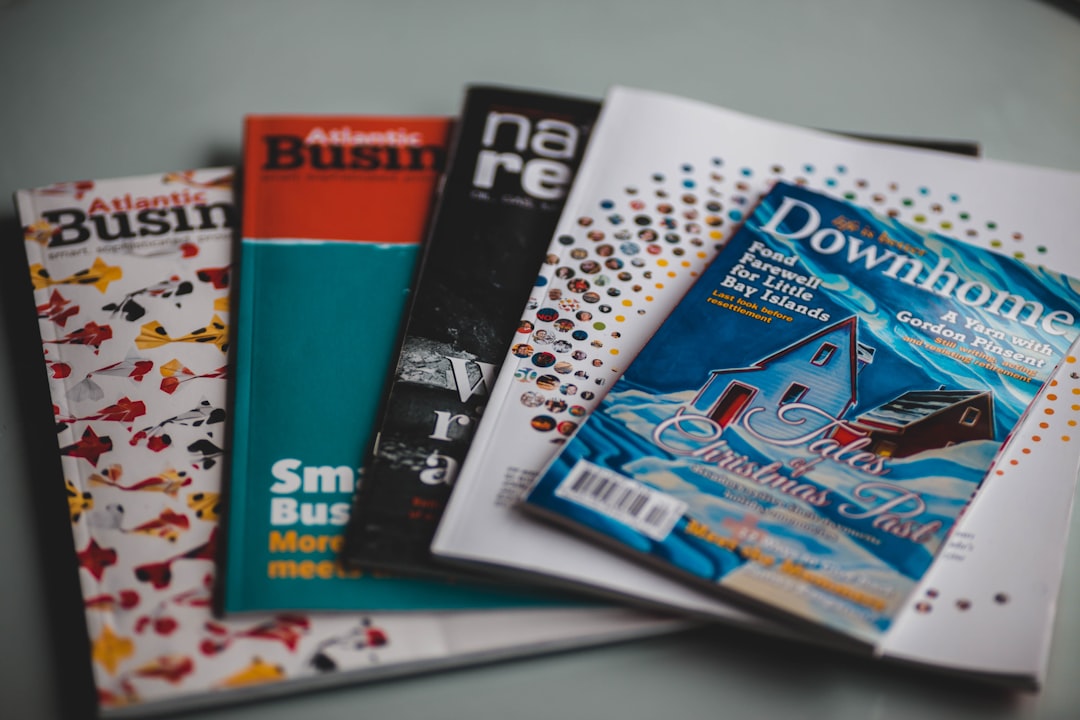
All paper starts off as uncoated paper. In the production process, soft wood fibres are used to make a pulp that is then bleached, rolled flat, dried and smoothed out.
Uncoated papers tend to feel rougher than coated papers and have a more tactile feel. You can however, get some very smooth uncoated papers and boards that have been repeatedly calendared to give a very flat, smooth surface whilst maintaining the porous properties of an uncoated paper or board. Uncoated papers tend to be whiter in appearance as well as feeling more bulky when compared to a coated sheet with the same weight.
All paper starts off as uncoated paper. In the production process, soft wood fibres are used to make a pulp that is then bleached, rolled flat, dried and smoothed out.
Uncoated papers tend to feel rougher than coated papers and have a more tactile feel. You can however, get some very smooth uncoated papers and boards that have been repeatedly calendared to give a very flat, smooth surface whilst maintaining the porous properties of an uncoated paper or board. Uncoated papers tend to be whiter in appearance as well as feeling more bulky when compared to a coated sheet with the same weight.
Litho printed results on uncoated paper are very different to coated papers. As the paper is more porous the ink is absorbed into the paper producing a very soft, muted affect where detail and sharpness can be lost. You could say that colours look flat or dull but this affect can be very appealing especially when used to promote a natural, earthy product. There is a stark difference however between the results you get from litho printing onto uncoated paper when compared to digital printing onto uncoated paper.
Digital printing uses a toner that is then fused to the surface of the paper, it therefore does not get absorbed into the paper and hence gives a sharper, brighter image when compared to litho printing. This can sometimes be preferable as you get the sharp bright pictures of a coated paper along with the tactile feel of the uncoated paper.
There are many, many different types of uncoated paper and board but they can broadly be classified into the following groups:
Offset– the name given to uncoated paper used for general print work such as flyers, leaflets, brochures and loose-leaf products.
Coloured– there are a vast array of coloured, uncoated papers to choose from including pastel and intense shades.
Bond– a paper used for everyday printed stationery and photo copiers
Wove– used for high quality stationery having a very smooth, uniform surface. These types of papers may carry a watermark such as Conqueror.
Laid– used for high quality stationery but this time with finely embossed, evenly spaced lines on the reverse of the paper giving a textured ribbed effect.
Linen– used for high quality stationery but with an embossed pattern that imitates the look and feel of linen cloth.
NCR– (No Carbon Required) – this is a specialist paper system with a coating on the surface of the paper that transfers the written image onto the paper below without the need for a carbon sheet. Many Business Documents use this paper eg. Order Pads, Invoice Pads and Receipt Books.
Recycled– uncoated papers made from pre-used paper.
As mentioned above, coated paper and board starts off as uncoated. It is then coated, traditionally with a china clay liquid, that fills the tiny pours and crevices in the fibres of the base paper to give it a flat uniform surface. Different levels of rollers and smoothing blades are then used to create the different coated finishes of matt, silk or gloss. If you use your finger nail to rub a piece of matt coated paper it will go glossy! Different thicknesses of coating, create different grades of coated paper with the more expensive coated papers being called Triple Coated.
The coating process limits the amount of ink and moisture that the paper can absorb. It also makes it more opaque and resistant to wear and dirt and hence less liable to finger marking. The coating process also makes the paper less white in appearance when compared to uncoated paper with a more creamy appearance, although this isn’t noticeable unless held next to an uncoated sheet. This is only a general rule of thumb as there are many differences in the whiteness of both coated and uncoated paper. A final property of coated paper is that the same weight of coated paper can feel thinner than the corresponding uncoated paper as a result of the coated paper having been repeatedly smoothed, compressing the fibres together.
As coated papers are less absorbent, the litho ink sits more on the surface, giving a sharper more defined printed image which is often more desirable when you want sharp high definition pictures, photographs or text. Where there is a lot of text it is preferable to use a matt or silk paper as gloss paper can make it more difficult to read. The difference between the printed results from litho and digital printing are often indistinguishable when printed on a coated paper except that digital printing can often be more vibrant due to the larger colour gamut of the digital printing process.
There are many types of coated paper and board, broadly classified into the following groups:
Cast– a high gloss, mirror like surface, giving a shiny appearance on one side of the paper.
Gloss– smooth, glossy surface giving the paper or board a shiny appearance used predominantly for flyers, leaflets and brochures.
Silk– smooth, refined silky surface giving a soft sheen to the look of the paper again used for flyers, leaflets and brochures.
Matt– smooth, refined matt surface giving a matt appearance very similar to silk paper, used for flyers, leaflets and brochures.
Recycled– available in both gloss and matt – usually with at least 75% recycled content.
Single Sided Board– with a coating on one side and not on the reverse, these boards are traditionally used for Post Cards, Greetings Cards and Christmas Cards.
There are hundreds of different papers to choose from - the choice is endless! In regards as to which paper or board to use, coated or uncoated, there’s no hard and fast rules. It’s more important to think about how the print is going to be used and what affect you want it to have.
Uncoated papers tend to feel rougher than coated papers and have a more tactile feel. You can however, get some very smooth uncoated papers and boards that have been repeatedly calendared to give a very flat, smooth surface whilst maintaining the porous properties of an uncoated paper or board. Uncoated papers tend to be whiter in appearance as well as feeling more bulky when compared to a coated sheet with the same weight.
All paper starts off as uncoated paper. In the production process, soft wood fibres are used to make a pulp that is then bleached, rolled flat, dried and smoothed out.
Uncoated papers tend to feel rougher than coated papers and have a more tactile feel. You can however, get some very smooth uncoated papers and boards that have been repeatedly calendared to give a very flat, smooth surface whilst maintaining the porous properties of an uncoated paper or board. Uncoated papers tend to be whiter in appearance as well as feeling more bulky when compared to a coated sheet with the same weight.
Printed Results:
Litho printed results on uncoated paper are very different to coated papers. As the paper is more porous the ink is absorbed into the paper producing a very soft, muted affect where detail and sharpness can be lost. You could say that colours look flat or dull but this affect can be very appealing especially when used to promote a natural, earthy product. There is a stark difference however between the results you get from litho printing onto uncoated paper when compared to digital printing onto uncoated paper.
Digital printing uses a toner that is then fused to the surface of the paper, it therefore does not get absorbed into the paper and hence gives a sharper, brighter image when compared to litho printing. This can sometimes be preferable as you get the sharp bright pictures of a coated paper along with the tactile feel of the uncoated paper.
Types of uncoated paper:
There are many, many different types of uncoated paper and board but they can broadly be classified into the following groups:
Offset– the name given to uncoated paper used for general print work such as flyers, leaflets, brochures and loose-leaf products.
Coloured– there are a vast array of coloured, uncoated papers to choose from including pastel and intense shades.
Bond– a paper used for everyday printed stationery and photo copiers
Wove– used for high quality stationery having a very smooth, uniform surface. These types of papers may carry a watermark such as Conqueror.
Laid– used for high quality stationery but this time with finely embossed, evenly spaced lines on the reverse of the paper giving a textured ribbed effect.
Linen– used for high quality stationery but with an embossed pattern that imitates the look and feel of linen cloth.
NCR– (No Carbon Required) – this is a specialist paper system with a coating on the surface of the paper that transfers the written image onto the paper below without the need for a carbon sheet. Many Business Documents use this paper eg. Order Pads, Invoice Pads and Receipt Books.
Recycled– uncoated papers made from pre-used paper.
COATED PAPER & BOARD:
As mentioned above, coated paper and board starts off as uncoated. It is then coated, traditionally with a china clay liquid, that fills the tiny pours and crevices in the fibres of the base paper to give it a flat uniform surface. Different levels of rollers and smoothing blades are then used to create the different coated finishes of matt, silk or gloss. If you use your finger nail to rub a piece of matt coated paper it will go glossy! Different thicknesses of coating, create different grades of coated paper with the more expensive coated papers being called Triple Coated.
The coating process limits the amount of ink and moisture that the paper can absorb. It also makes it more opaque and resistant to wear and dirt and hence less liable to finger marking. The coating process also makes the paper less white in appearance when compared to uncoated paper with a more creamy appearance, although this isn’t noticeable unless held next to an uncoated sheet. This is only a general rule of thumb as there are many differences in the whiteness of both coated and uncoated paper. A final property of coated paper is that the same weight of coated paper can feel thinner than the corresponding uncoated paper as a result of the coated paper having been repeatedly smoothed, compressing the fibres together.
As coated papers are less absorbent, the litho ink sits more on the surface, giving a sharper more defined printed image which is often more desirable when you want sharp high definition pictures, photographs or text. Where there is a lot of text it is preferable to use a matt or silk paper as gloss paper can make it more difficult to read. The difference between the printed results from litho and digital printing are often indistinguishable when printed on a coated paper except that digital printing can often be more vibrant due to the larger colour gamut of the digital printing process.
Types of coated paper & board:
There are many types of coated paper and board, broadly classified into the following groups:
Cast– a high gloss, mirror like surface, giving a shiny appearance on one side of the paper.
Gloss– smooth, glossy surface giving the paper or board a shiny appearance used predominantly for flyers, leaflets and brochures.
Silk– smooth, refined silky surface giving a soft sheen to the look of the paper again used for flyers, leaflets and brochures.
Matt– smooth, refined matt surface giving a matt appearance very similar to silk paper, used for flyers, leaflets and brochures.
Recycled– available in both gloss and matt – usually with at least 75% recycled content.
Single Sided Board– with a coating on one side and not on the reverse, these boards are traditionally used for Post Cards, Greetings Cards and Christmas Cards.
In conclusion - Uncoated or Coated?
There are hundreds of different papers to choose from - the choice is endless! In regards as to which paper or board to use, coated or uncoated, there’s no hard and fast rules. It’s more important to think about how the print is going to be used and what affect you want it to have.


We provide a National and International delivery service

All paper & card from responsible sources

Contact Us
Tel: 0115 8440122
Hayman Creative Limited
Fineprint House,
Hooton Street,
Nottingham NG3 2NJ
Fineprint House,
Hooton Street,
Nottingham NG3 2NJ
Opening Times
Monday to Friday
9am to 5pm
9am to 5pm
We Accept
all major debit and credit card payments


